


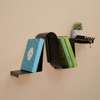
Are Metal or Wooden Floating Shelves Better?
Both floating metal shelves and wooden floating shelves provide functional wall storage, but they serve different design goals.
Metal floating shelves offer clean geometry, slim profiles, exceptional durability, and minimal maintenance, making them ideal for modern, minimalist, industrial, and contemporary interiors.
Wooden floating shelves introduce warmth, natural texture, and organic character, making them well suited to rustic, farmhouse, and traditional spaces. The best choice depends on your interior style, maintenance preferences, and the visual impact you want your shelving to create.
Key Takeaways
- Metal floating shelves provide exceptional durability while maintaining slim, minimalist profiles.
- Wooden shelves add warmth and natural texture but require more maintenance over time.
- Steel shelves resist warping, moisture, and everyday wear better than wood.
- Both materials create the floating effect through concealed mounting systems.
- Choosing the right shelf depends on interior style, desired aesthetics, and long-term performance.
Floating shelves have become one of the defining features of modern interior design. By hiding the mounting hardware inside the wall, they create the illusion that the shelf is floating, resulting in cleaner wall compositions and a lighter visual appearance.

Among today's most popular options are floating metal shelves and floating wooden shelves. Although both serve the same purpose, they differ significantly in appearance, structural performance, maintenance requirements, and the way they influence a room's atmosphere.
This guide compares both materials to help homeowners, designers, architects, and DIY furniture builders choose the solution that best fits their space.
Understanding Floating Shelves as a Design Element
Floating shelves are valued not only for storage but also for their ability to organize space visually. Because the brackets remain hidden, attention shifts to the shelf itself and the objects displayed on it.
Well-designed floating shelves help:
- Maintain clean wall compositions
- Reduce visual clutter
- Display books, plants, and décor without overwhelming a room
- Introduce architectural balance to modern interiors
While the floating effect remains the same, the material dramatically changes how the shelf interacts with light, texture, and surrounding furniture.
Floating Metal Shelves
Clean Geometry and Architectural Simplicity
Steel allows shelves to be manufactured with extremely precise dimensions and consistent thickness. The result is a crisp, architectural appearance that works naturally in:
- Modern interiors
- Minimalist homes
- Scandinavian spaces
- Industrial lofts
- Contemporary offices

Their slim profiles emphasize openness while creating an elegant floating effect.
Strength Without Bulk
One of steel's greatest advantages is its high strength-to-thickness ratio.
Metal shelves remain visually lightweight while comfortably supporting:
- Books
- Decorative objects
- Plants
- Office supplies
- Everyday essentials
Because the material is stronger, shelves can remain thinner than many wooden alternatives while maintaining excellent structural stability.

Powder-Coated Durability
Most quality metal shelves are finished with a powder-coated surface that helps protect the steel against everyday wear.
Benefits include:
- Scratch resistance
- Moisture resistance
- Fade resistance
- Easy cleaning
- Long-lasting appearance
Floating Wooden Shelves
Natural Warmth and Character
Wood introduces texture and warmth that many homeowners associate with comfort and traditional craftsmanship.
Floating wooden shelves work particularly well in:
- Farmhouse interiors
- Rustic homes
- Traditional spaces
- Transitional designs
Natural grain patterns make every shelf visually unique.
Material That Evolves Over Time
Unlike steel, wood naturally reacts to its environment.
Depending on humidity, temperature, and daily use, wooden shelves may:
- Darken with age
- Expand or contract slightly
- Develop surface marks
- Require refinishing
Some homeowners appreciate this natural aging process, while others prefer materials that maintain a consistent appearance.
Greater Visual Weight
To achieve comparable structural strength, wooden shelves generally require thicker profiles than steel.
This additional thickness creates a stronger visual presence that may feel more substantial, particularly in smaller rooms where lighter furniture helps preserve openness.
Design Impact: How Materials Shape a Space
The choice between metal and wood affects more than durability—it changes the visual character of an entire room.
| Metal Floating Shelves | Wooden Floating Shelves |
|---|---|
| Slim architectural profiles | Thicker natural appearance |
| Modern, minimalist aesthetic | Warm, organic character |
| Visually lightweight | Stronger visual presence |
| Excellent for compact spaces | Better suited to cozy interiors |
| Consistent appearance over time | Natural variation and aging |
Long-Term Performance
Metal Shelves
Steel shelves are designed for long-term reliability with very little maintenance.
They typically:
- Maintain their shape
- Resist humidity
- Require minimal cleaning
- Preserve their finish for years
Wooden Shelves
Wood offers timeless beauty but generally requires more attention over time.
Owners may occasionally need to:
- Refinish surfaces
- Protect against moisture
- Address natural movement in the material
Neither option is inherently better—the ideal choice depends on priorities.
Which Floating Shelf Is Right for You?
Choose metal floating shelves if you value:
- Clean modern design
- Slim minimalist profiles
- Long-term durability
- Minimal maintenance
- Architectural simplicity
Choose wooden floating shelves if you prefer:
- Natural grain
- Warm textures
- Traditional styling
- Organic materials
- Rustic interiors
Designed and Handcrafted by MetaloSlav
Every floating shelf we produce begins in our family workshop in Ukraine.
From the first design sketch to laser cutting, welding, finishing, and final inspection, each shelf is created by our own team using premium steel and carefully controlled manufacturing processes.

Rather than mass-producing generic storage solutions, we focus on creating durable architectural pieces designed for everyday living.
Our floating shelf collection includes minimalist wall shelves suitable for living rooms, kitchens, offices, studios, and commercial interiors.
Why More Designers Choose Metal Shelves
Modern interiors increasingly prioritize openness, flexibility, and efficient use of space.
Floating metal shelves support these goals by:
- Maximizing vertical storage
- Reducing visual clutter
- Creating cleaner wall compositions
- Maintaining flexibility for changing layouts
- Supporting both decorative and functional use

For apartments, compact homes, and multifunctional spaces, metal shelving often provides a more versatile solution than larger storage furniture.
Frequently Asked Questions
Are metal floating shelves stronger than wooden shelves?
In many applications, yes. Steel provides excellent structural strength while allowing much slimmer shelf profiles.
Do floating metal shelves rust?
Quality powder-coated shelves are designed to resist corrosion and everyday moisture when used as intended.
Which shelves require less maintenance?
Metal shelves generally require less maintenance than wood because they don't warp, crack, or require refinishing.
Are wooden shelves better for traditional interiors?
Yes. Natural wood often complements farmhouse, rustic, and classic interiors where warmth and texture are priorities.
Can floating metal shelves be used in offices?
Absolutely. Their clean appearance and reliable strength make them popular for home offices, studios, retail spaces, and commercial interiors.
Final Thoughts
Floating shelves influence far more than storage—they shape how a room feels.
Metal floating shelves emphasize precision, openness, and long-term durability, while wooden shelves introduce warmth, texture, and natural character.
Understanding the strengths of each material helps create interiors that remain functional, visually balanced, and enjoyable for years to come.
Explore our collection of handcrafted floating metal shelves to discover wall-mounted storage designed for modern living, professional workspaces, and contemporary interiors.
Tags

Trusted by 3,300+
Happy Customers

1,000+ real reviews
On Etsy

Custom made
For Your Space

Timeless decor
That Never Goes Out Of Style

5 years of proven craftsmanship

One-of-a-kind metal designs

Designed to fit your interior